

The Pinyon Cultural Resources team supports clients by integrating cultural resource considerations throughout project planning, design, construction, and implementation. Our approach emphasizes early risk identification, regulatory strategy, and clear documentation to help projects move forward efficiently while meeting federal, state, tribal, and local requirements. Acting as both technical specialists and extensions of our clients’ teams, we provide practical, defensible solutions that balance cultural resource stewardship with real‑world project goals.
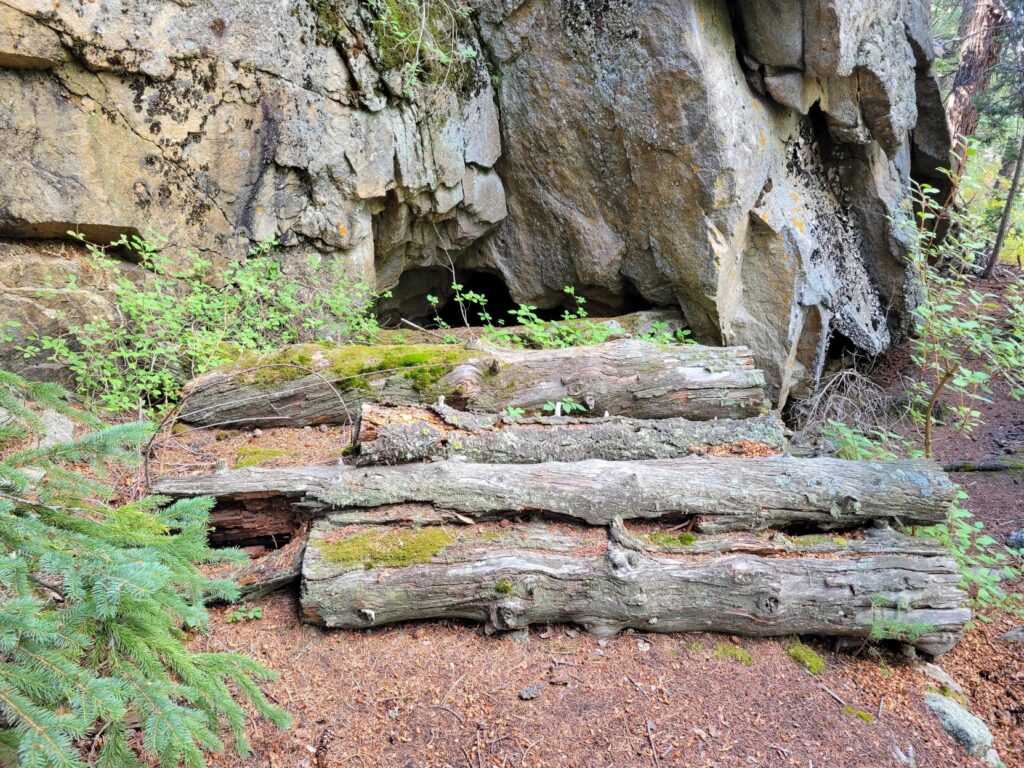
Archaeological Resources
Pinyon’s Archaeological Resources team understands the logistical and regulatory challenges that cultural resources can present to active projects. We bring extensive experience across a wide range of landscapes and resource types, including precontact sites, historic homesteads, mining and industrial sites, transportation corridors, and agricultural features.
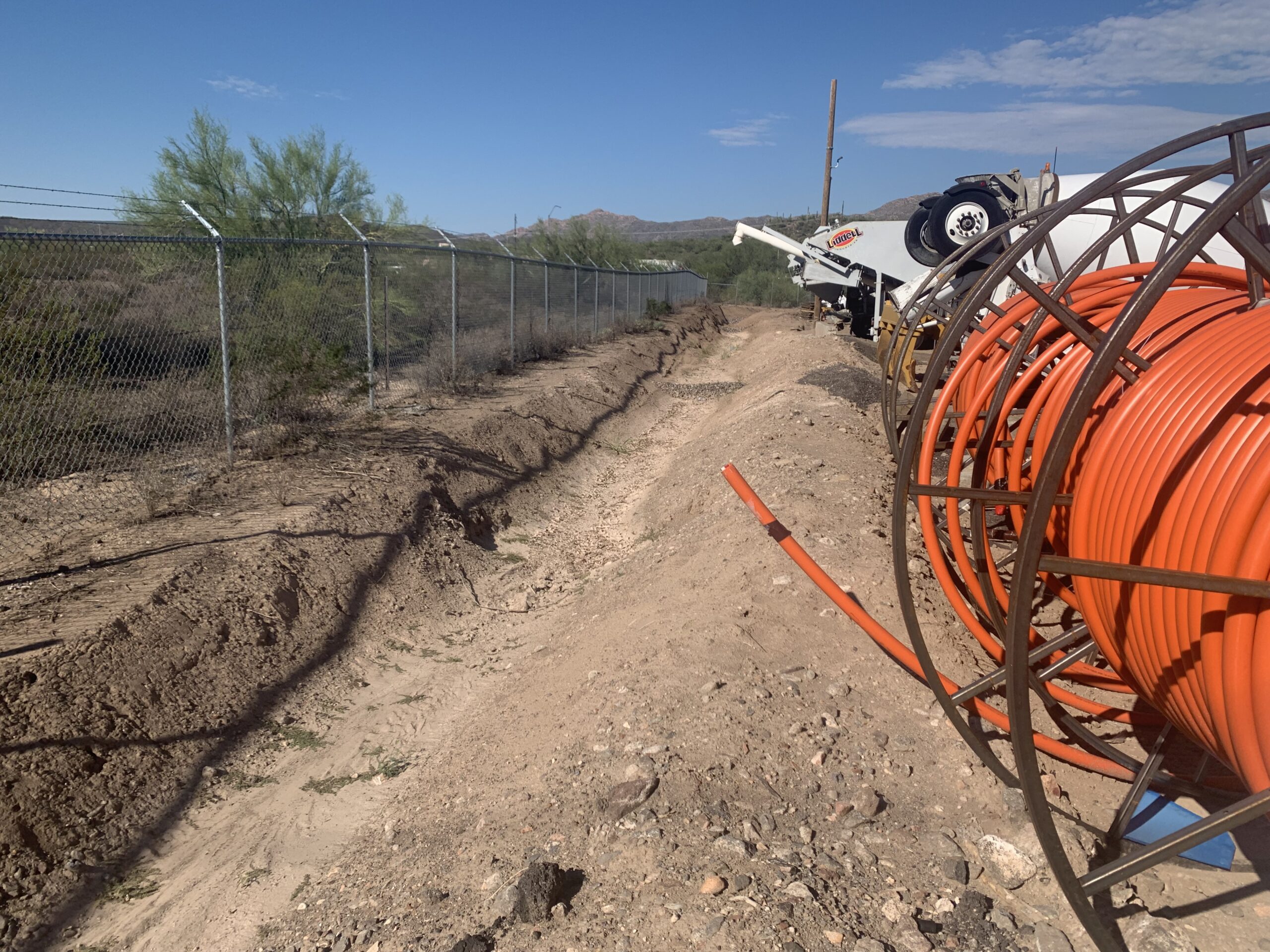
Our archaeologists support clients by identifying archaeological risks early, refining surveys and monitoring strategies, and coordinating closely with agencies and tribal representatives. This allows us to help clients make informed decisions that balance project schedules, budgets, and compliance requirements.
Our staff includes Registered Professional Archaeologists (RPA) who exceed the Secretary of the Interior’s Professional Qualification Standards, along with GIS-certified specialists who support predictive modeling, survey design, and documentation. Pinyon holds cultural resource permits across much of the western United States and works efficiently across jurisdictions to support multi-state projects.
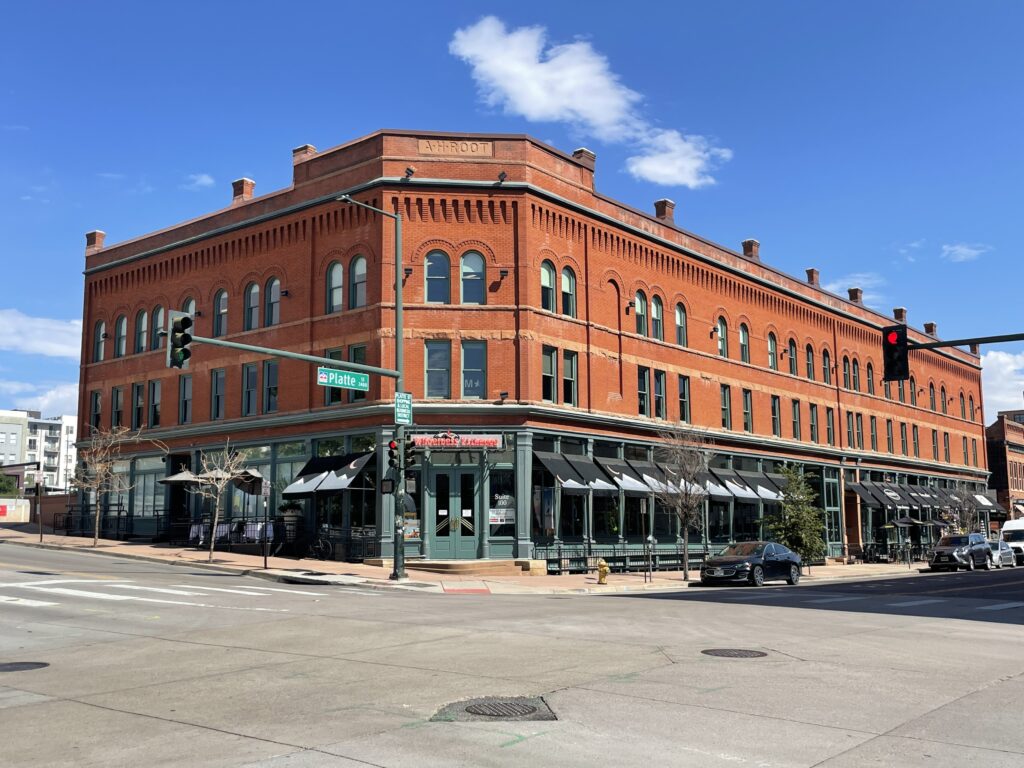
Architectural History & the Historic Built Environment
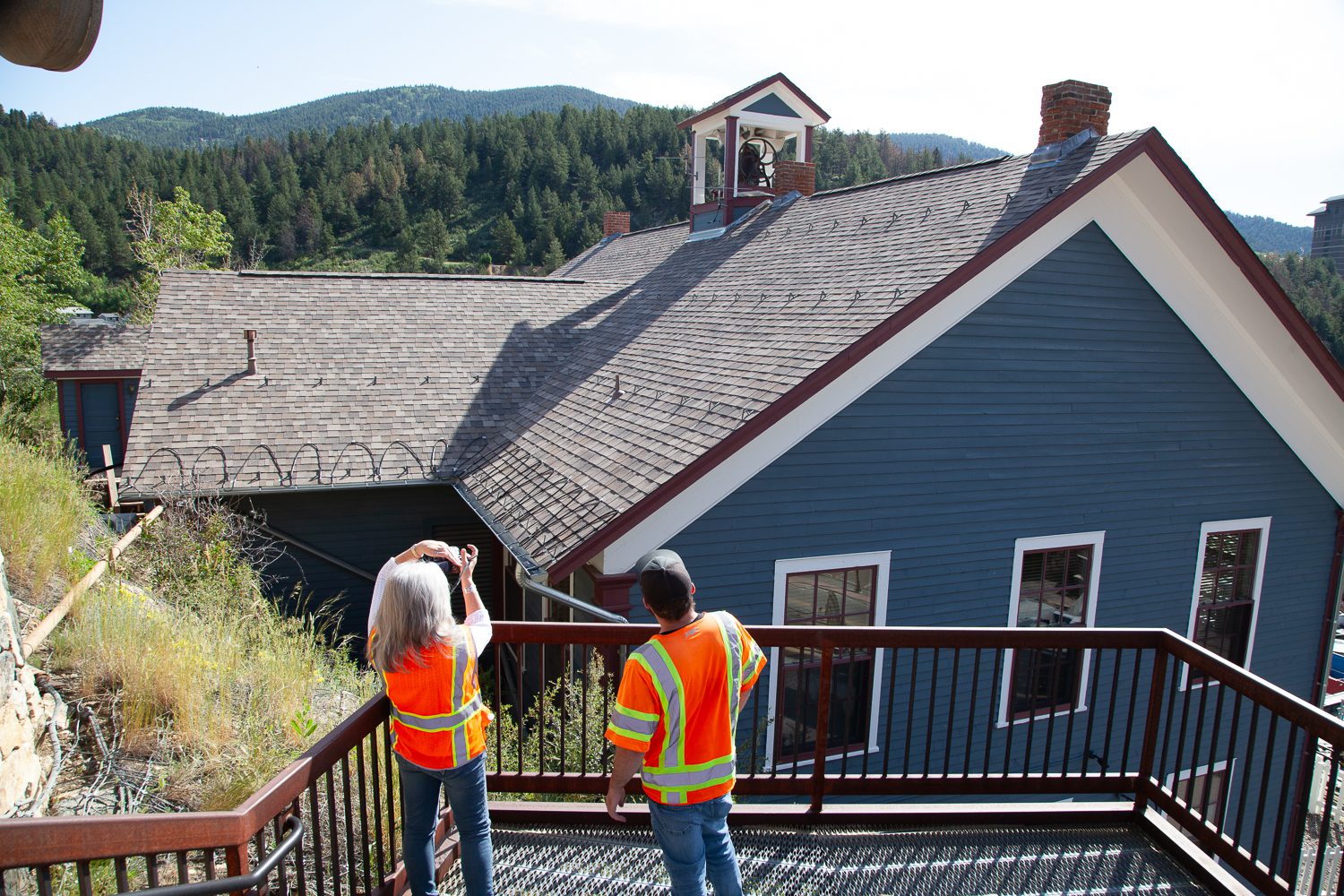
The Pinyon Architectural History team supports clients navigating projects that involve historic buildings, structures, districts, and cultural landscapes. Our work is guided by a preservation ethic that recognizes the need to balance resource stewardship with community needs, operational requirements, and project feasibility.
We advise clients on regulatory obligations, eligibility and effects evaluations, and risk management strategies within local, state, and federal frameworks. Our team also identifies opportunities for creative solutions—such as design refinements, phased approaches, or incentive-based preservation programs—that help projects move forward while maintaining compliance.
All Pinyon architectural historians meet the Secretary of the Interior’s Professional Qualification Standards and bring experience working closely with agencies, property owners, and stakeholders on complex and sensitive projects.
View our active cultural resource permits here.