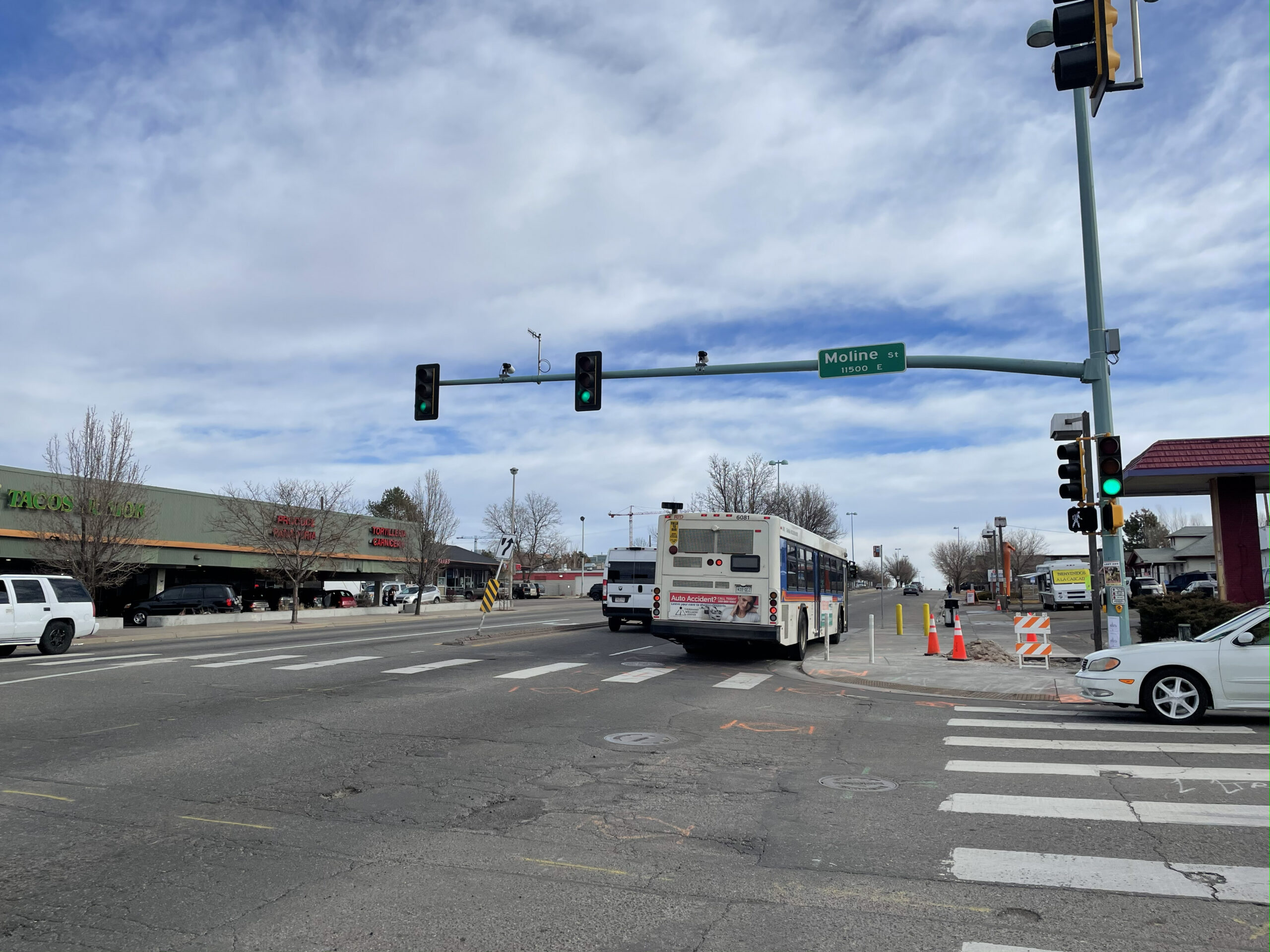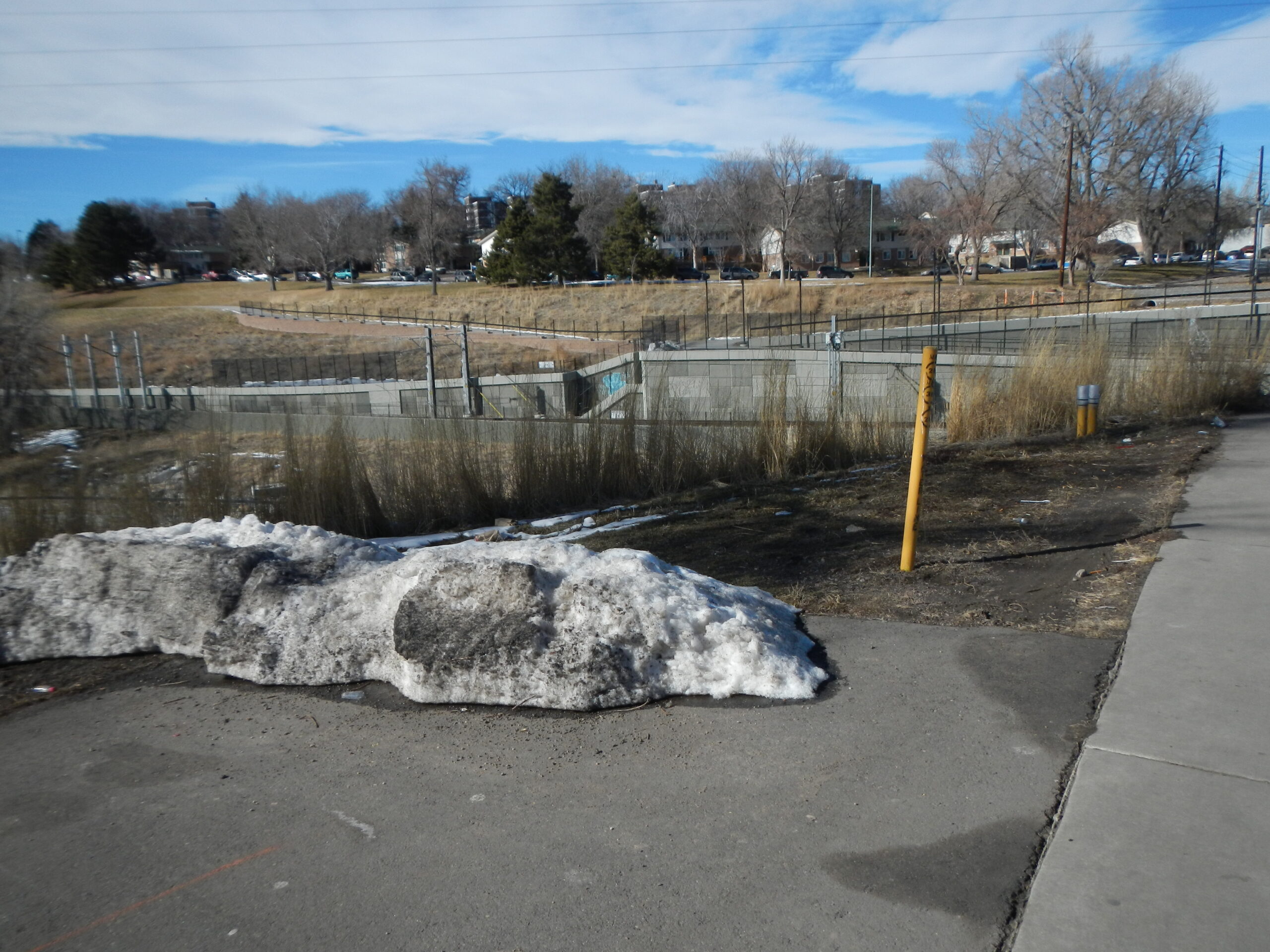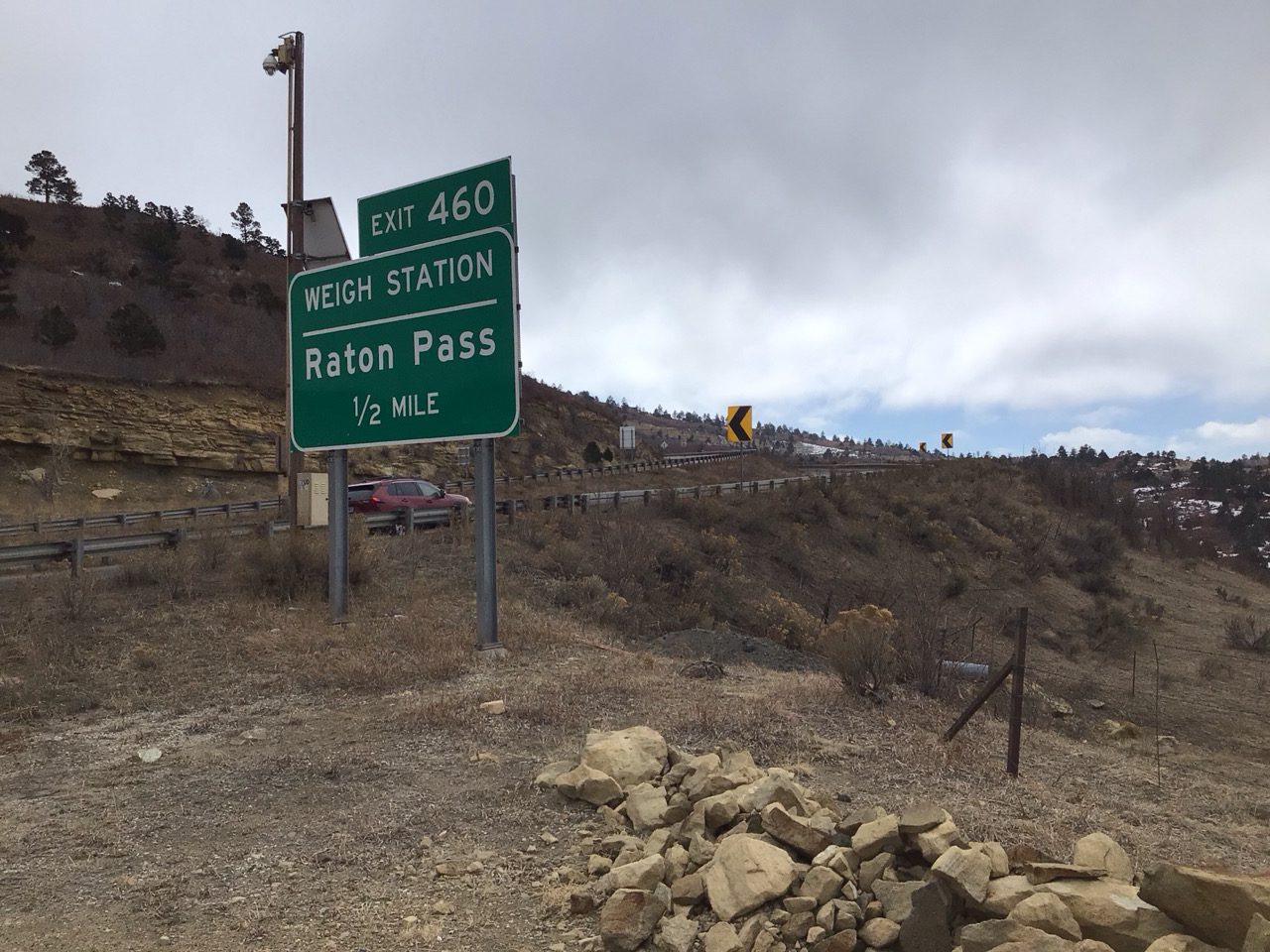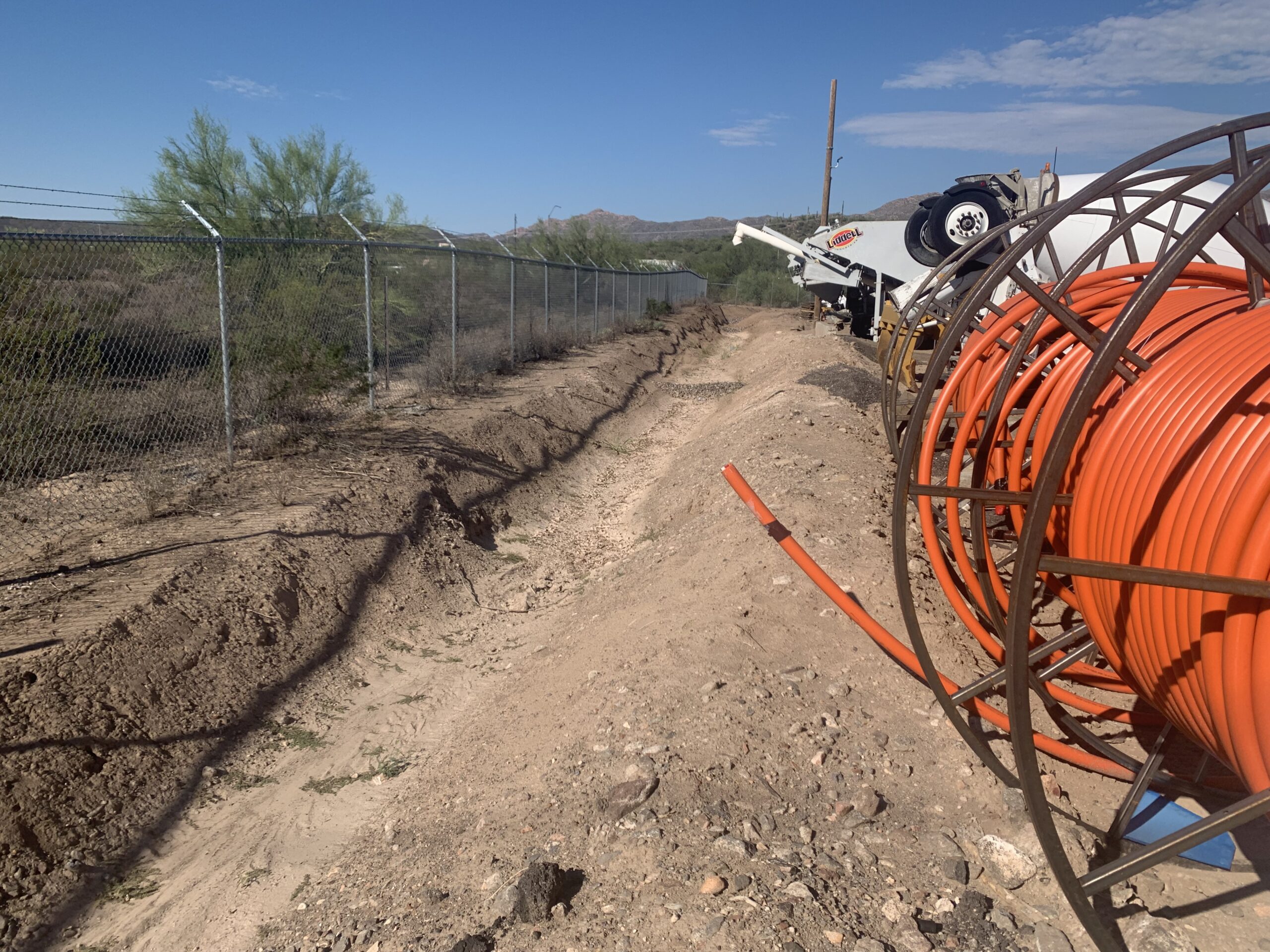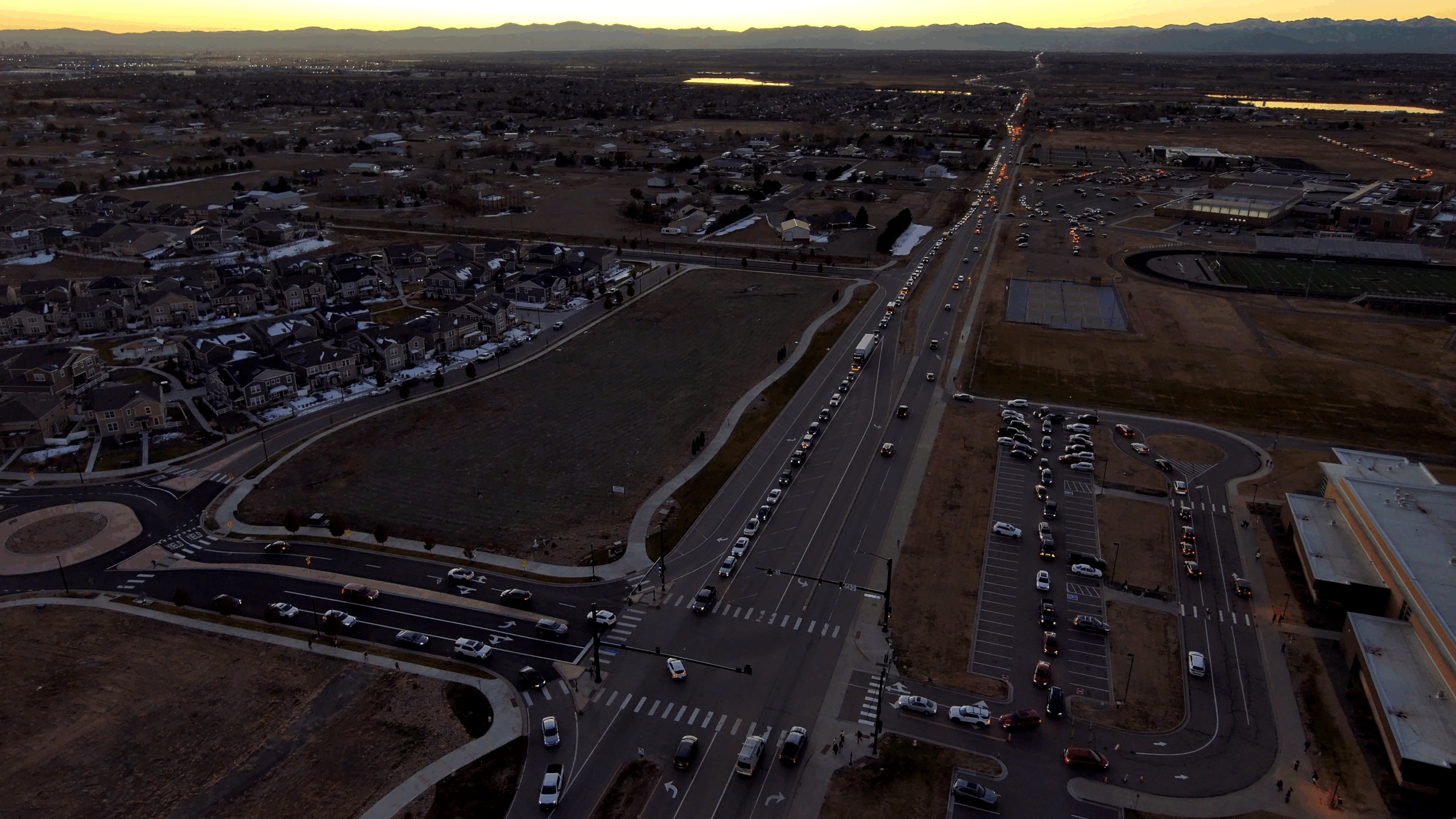

This project included statewide bridge inspections for the Colorado Department of Transportation’s (CDOT) Responsible Acceleration of Maintenance and Partnerships (RAMP) program with Pinyon’s focus on evaluating environmental resources, identifying impacts, and preparing permitting documentation. Pinyon, in coordination with the project design team and CDOT Environmental staff, determine the appropriate level of effort and permitting requirements for each bridge package to ensure efficiency and quality deliverables in compliance with regulatory requirements. Pinyon collaborated with CDOT to streamline the environmental review process at bridge locations where impacts were anticipated to be minimal, as well as successfully managed more complicated projects requiring agency coordination, permitting, and onsite mitigation.
Each bridge package had unique challenges which were managed during the environmental evaluation and design process. For example, certain bridge improvements required impacts to critical threatened and endangered species habitat. Strategies to mitigate these impacts included developing a construction schedule in coordination with the design team to avoid impacts during migration and spawning periods, as well as night work restrictions based on elevation for certain species (Canada Lynx and New Mexico meadow jumping mouse). A detailed activities schedule was developed and included with the specification package. In addition, coordination with U.S. Fish and Wildlife Service and Colorado Parks and Wildlife was initiated early in some cases to get input from the participating agencies which expedited the clearance permitting process. Some bridge packages included multiple locations with minimal ground disturbance which may have resulted in overburdened documentation.
Pinyon coordinated with CDOT Environmental staff to streamline the documentation for resources anticipating minimal impacts, which saved time and budget. Changes in design would also change impacts to environmental resources and associated permitting. It was important for the design team and the environmental team to be continually coordinating through the design process to capture changes in impacts, in turn to update the permitting documentation. This coordination effort helped keep the environmental clearance process on track.